%20(8).png)
%20(2)_j.jpg)
%20(2).png)
Philippa Bowe, LISP 2025 Poetry Finalist, 'my great-grandfather was a saltwater crocodile'
- LISP Team
- Jan 31
- 3 min read

- Could you please tell us about yourself and your daily routine?
My routine tends to shift, but has recently settled into a lovely slow morning start involving getting outside (I live on a hill in rural southwest France) very first thing, doing a yoga session, outside or in, then writing time. How long it lasts depends on the demands of the day job (translation – a lot less demanding since AI began devouring the industry!) and other obligations and activities. Even if I can only get 10 minutes in, though, it still feels valuable and starts the day on an excellent footing.
- When and how did you start writing?
I only started putting pen to paper in my forties with an Open University creative writing course. I haven’t stopped since. I began with short stories and a traditional novel before falling under the spell of flash fiction followed by poetry. There are so many amazing indie literary journals out there to submit work to, and I’ve had stories and poems published online and in print including by the New Flash Fiction Review, Ghost City Press, Firewords, Bath Flash Fiction, Spark2Flame, Hooghley Review, Temple in a City, Berlin Literary Review and LISP, as well as longlisted and shortlisted in various competitions. My novella-in-flash based on Nighthawks, the iconic Edward Hopper painting, is out on query and I’m currently working on a second flash novel and a poetry collection.
- And what inspires you to write?
Everything. From night-time dreams to song lyrics to a conversation on a train to all those random thoughts. There are times when inspiration hits more often, more intensely, sort of like waves rolling in then receding. But I don’t seem to ever get stuck for inspiration, which feels very lucky!
- How does it feel to have your work acknowledged, whether through being a finalist in a

competition or having it published?
It’s what every artist wants, for people to see your paintings, read your words, watch your play, right? And it is the most amazing feeling, puts you on a real high. The lows are part of it too, of course, and you have to remember that it tends to be a lottery. And that the most important part of writing is the joy of it.
- What's the most rewarding and challenging aspect of writing?
The challenge is the discipline that’s needed, overcoming the resistance that springs up to sitting down and doing the work, and banishing the demon voice telling you everything you write is total rubbish. For me, the reward is in the writing itself: once you’re there it’s a very mindful thing and you come out the other end in a better state.
- How did you come up with the idea for your LISP-selected poem? Is there a story behind your story? And, how long have you been working on it?
The poem is rooted in family tales about my paternal great-grandfather, who was a big character. I took some of the things I’ve been told and ran with them, embroidering as I went. The saltwater crocodile inspiration came from something I had to research for a translation (the day job can be useful!), they are fascinating creatures, and the two fused quite naturally. I’m also a big fan of humans-as-animals pieces. And am just beginning to explore my own family history in my poems and stories – until recently it felt too self-absorbed as a writing terrain. The poem was quick to write, then I left it to simmer and went and tweaked it every now and then.
- Please share a few tips on writing.
Trust yourself. And trust that only you can tell the story/write the poem that’s coming from your pen. Don’t think about editing or external opinions while you’re drafting. Just splash around in your own imagination, get really, really wet and enjoy the journey!
- What is the best aspect and the most challenging aspect of competitions?
The best thing: the deadline. The most challenging thing: the deadline! I find them invaluable for getting me motivated and providing prompts, structure. The downside is the pressure it can put you under. I try and find a good balance and choose the competitions I want to go for.
- Finally, would you recommend that the writers consider submitting to LISP?
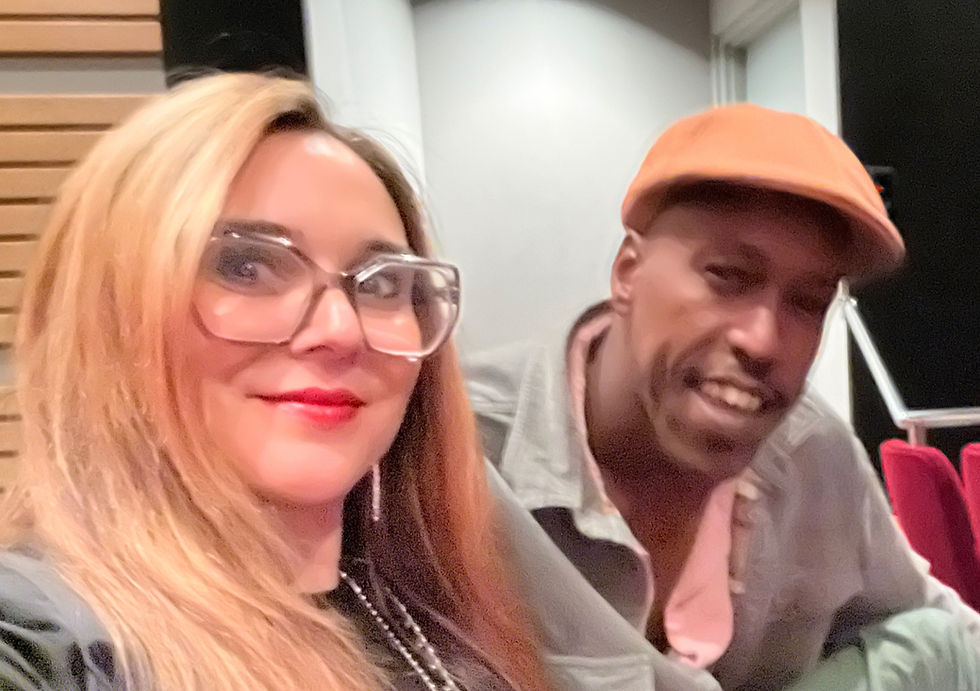
Definitely! I’m lucky enough to be a finalist for a second year in a row, and I’ve always found it an exceptionally warm and supportive competition. I went to the anthology launch last year and it was such an excellent evening – the whole LISP experience is very rewarding.