%20(8).png)
%20(2)_j.jpg)
%20(2).png)
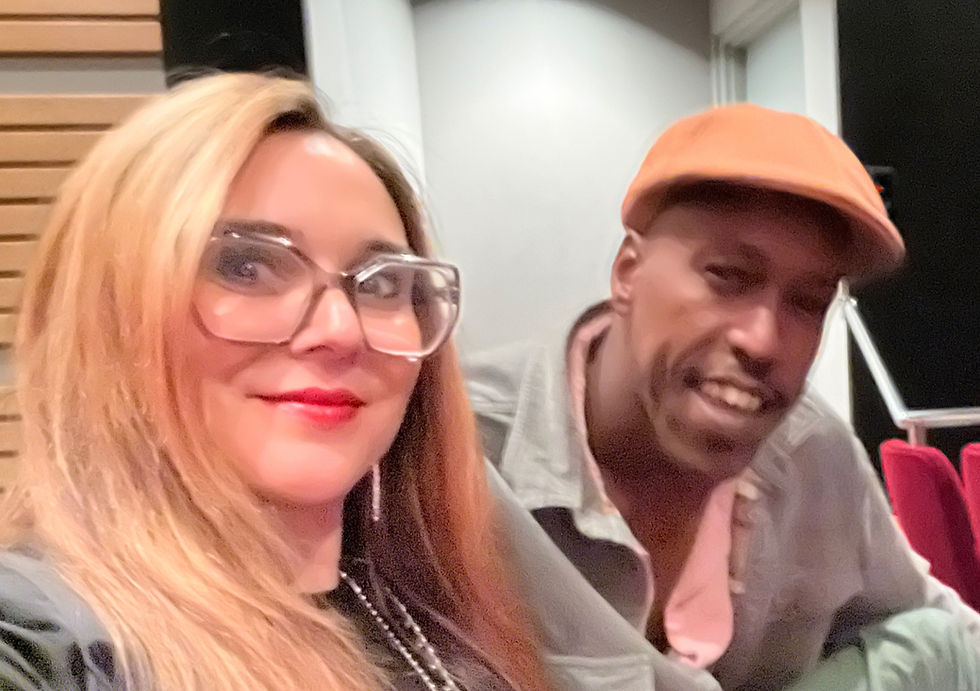
Lizzy Esau, LISFF 2026, Short Screenplay Finalist

-Can you please tell us about you and your daily life?
I’m a writer, wildlife photographer, and videographer based in Arizona, USA and a full-time healthcare systems analyst. When I’m not working I split my time between writing and being outdoors filming wildlife around the state and beyond, at wetlands, rivers, lakes and preserves.
-When and how did you get into writing/filmmaking?
I’ve been writing since I was sixteen so storytelling has always been a component of my life. But screenwriting became more consistent for me over the last few years after I picked up photography. I started developing scripts that blended my love of nature with emotional realism and humor, awkwardness, psychological tension, and complicated interpersonal dynamics. Over time, that expanded into filmmaking, photography, and visual storytelling more broadly.
Some of my screenplays and short works have received recognition through festivals and competitions, including placements for projects such as The Benevolent, AIDYN, The Big Dick, and Add to Cart. I’m also currently developing a short series under the Coffee & Photography anthology banner.
-How often do you write/create/develop ideas? Do you have a writing/creative routine? And what inspires you to write?
I’m developing ideas constantly, even when I’m not officially “writing.” A lot of inspiration comes from my own experience, including moments in the field filming wildlife, other people, relationships, conversations, emotional contradictions, and moments that feel strangely human or revealing. However, I don’t always follow a strict routine because I balance creative work with a full-time career. Sometimes an image, a line of dialogue, or even a small interaction becomes the seed for an entire screenplay.
-How does it feel to have your work recognised?
It’s encouraging, especially because writing can be such an isolated process. You spend so much time developing stories privately that recognition helps remind you the work is connecting with people outside your own head.

-What’s the best and most challenging thing about writing/filmmaking in your genre/form?
I enjoy writing emotionally layered stories that balance humor with vulnerability, discomfort, tension, and realism. But, finding the right balance without losing authenticity can take time.
-How did you develop the idea for your LISFF-selected work? Is there a story behind your story? And how long have you been working on it?
Add to Cart is based loosely on a true story about my Mom. There was a period where she was constantly buying things online and when she received the item, it was ridiculously unmatched to what she believed she ordered. It was so comical that I thought others could probably relate. You know who you are!
-Can you please give us a few tips about screenwriting/writing?
Write the thing that genuinely interests or unsettles you instead of trying to predict what people want. Audiences can usually feel when something has a real perspective behind it.
-What’s the best thing and the most challenging thing about competitions/festivals?
The best part is discovering other writers and filmmakers and realizing how many different voices and perspectives exist within independent storytelling. Festivals also help create momentum and visibility for projects that might otherwise stay private.
The challenging part is probably the uncertainty. Creative work is subjective, and rejection is part of the process for everyone. I think it’s important to focus on long-term growth rather than attaching too much personal meaning to any single result.
-Lastly, do you recommend writers/filmmakers submit to LISP/LISFF?
Yes. I think opportunities like LISP/LISFF are valuable because they help emerging and independent writers gain visibility and become part of a broader creative community. Recognition at any stage can help encourage artists to keep developing their work and pushing forward creatively.