%20(8).png)
%20(2)_j.jpg)
%20(2).png)
Gabriel Eby, LISFF 2026, TV Pilot Finalist
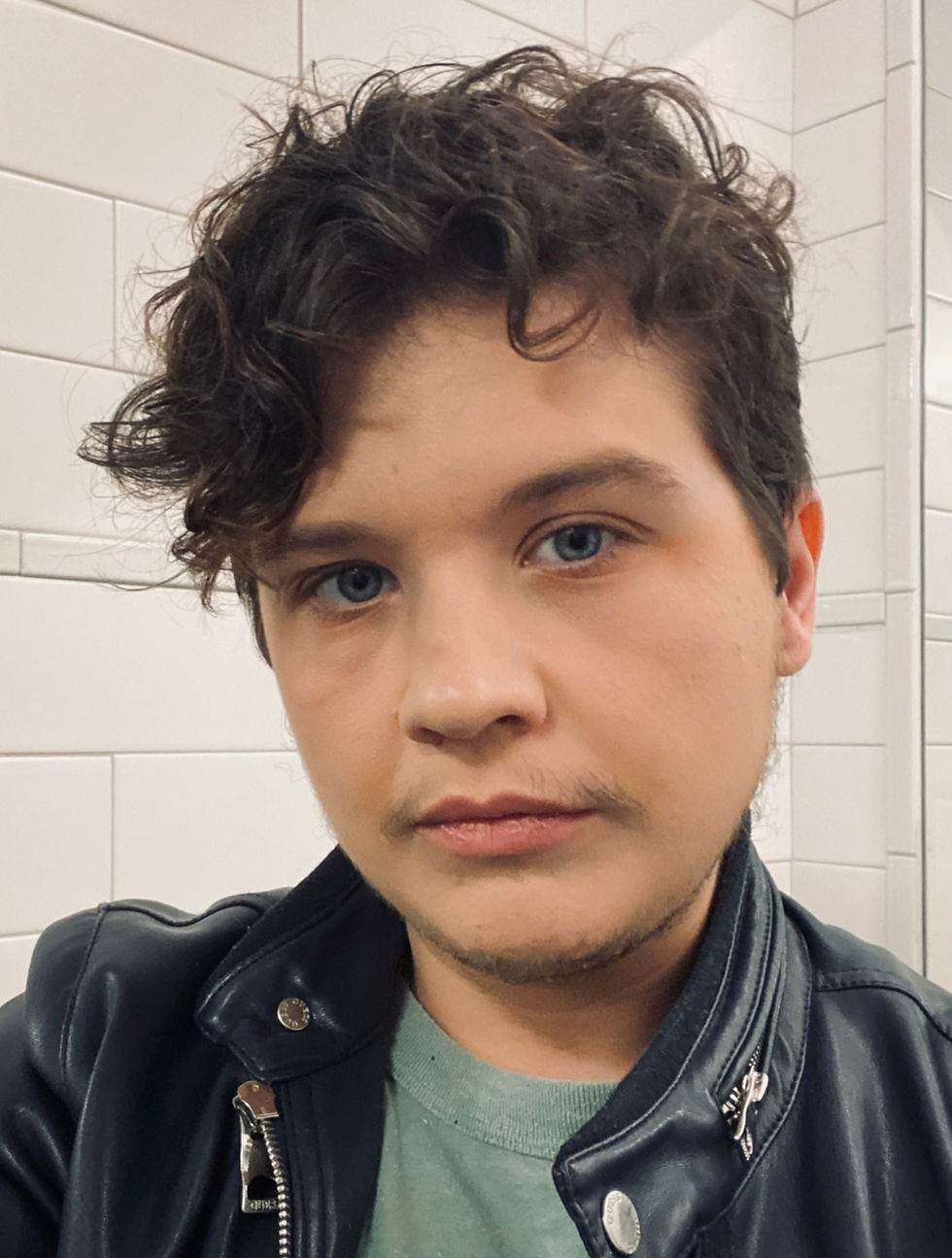
-Can you please tell us about you and your daily life?
I am a writer of fiction, stage, and screen, but also still currently work an office job as well. Outside of writing, I enjoy gardening, cooking, reading, going to my local indie movie theatre, and hanging out with my partner and our many cats.
- When and how did you get into writing?
I know this is very cliché, but I’ve been writing forever. I’ve been scribbling random stories down since I was a kid, and I’ve made lifelong friendships through writing as well (my partner I even met through writing as well!). That said, I only started trying to pursue it professionally about two and a half years ago, when I wrote my first feature screenplay, THIS IS NOT A HAUNTING. Two other feature screenplays and my finalist pilot screenplay here, REVELATION, followed (as did one stage play and two fiction manuscripts, I am also polishing up the first draft of a third). I didn’t quite have the confidence and encouragement in my early twenties to pursue it, but now in my thirties, I know my voice and I know the kinds of stories I wish to tell. All of my screenplays have placed in competitions, totaling to about 20 placements in the last two years.
-How often do you write? Do you have a writing routine? And what inspires you to write?
I try to write as often as I can, and wait to see what inspires me. I have certain themes I always gravitate to – queerness, mental health, addiction, deep romance, and tense or strange family dynamics – but beyond that stories often start for me as images. Based off the images, I create a playlist and a lookbook that serve as my outline (I don’t do written outlines) and the rest of the story then reveals itself. Once I have that down, the actual first draft process generally doesn’t take me long, depending on my ability to consistently work on it. I like to work fast though, I enjoy moving with the flow of momentum!
- How does it feel to have your work recognised?
It’s absolutely lovely and humbling! I’m still working on not having imposter syndrome when it happens, but it is wonderful to feel as though my weird little stories have merit and are enjoyed. It’s been a great ride so far, and I’m looking forward to continuing it so long as anyone will have me.
- What's the best and most challenging thing about writing a Story?
The act of doing it is the best part, I love being in the middle of a story with my characters and being in their world. The most challenging part then is finding the best way to share that world with others, but I love the act of storytelling enough that it is absolutely worth the work.
-How did you develop the idea for your LISFF/LISP-selected work? Is there a story behind your story? And, how long have you been working on it?
I wrote REVELATION back in September of 2025, in a flurry based off a dream I had. I know that sounds silly, but bear with me. The dream was as if it was already an existing show, with a dangerous and strange man looking for someone in a bar. It was short and not many words were said, but I couldn’t get the image out of my head, so I started my usual audio-visual outline process to see if anything came of it. About two weeks later, I had a pilot, which was the fastest turnaround I’ve ever had. The pilot itself contains a lot of my anxiety about the state of the world, as well as my exhaustion at the bleakness of many dystopian narratives. I wanted to do character-driven story set in a dark world with the end goal toward a better world.
- Can you please give us a few tips about writing?
Follow your instinct. Don’t think about tropes, don’t think about genre constraints, just go with your heart and what it wants. If you’re writing toward what you want and not what you think everyone will want from you, you’ll have more success, even if you have to be patient in getting it.
- What's the best thing and the most challenging thing about competitions?
The best thing is receiving recognition; no matter the size of the competition or what you may receive, it is very rewarding and encouraging in your process to have someone tell you what you’re doing has merit. The most challenging thing is that each competition is incredibly subjective, they may be looking for something specific that you don’t have, or one reader may not click with your work and it stops you from going further. Those are all elements you have to get used to understanding, and accept that when you don’t place, it doesn’t strictly mean your work is bad, just that it wasn’t what that specific competition wanted.
- Lastly, do you recommend the writers/filmmakers submit to LISP/LISFF?
Certainly! LISP has been lovely and this has been great process.